
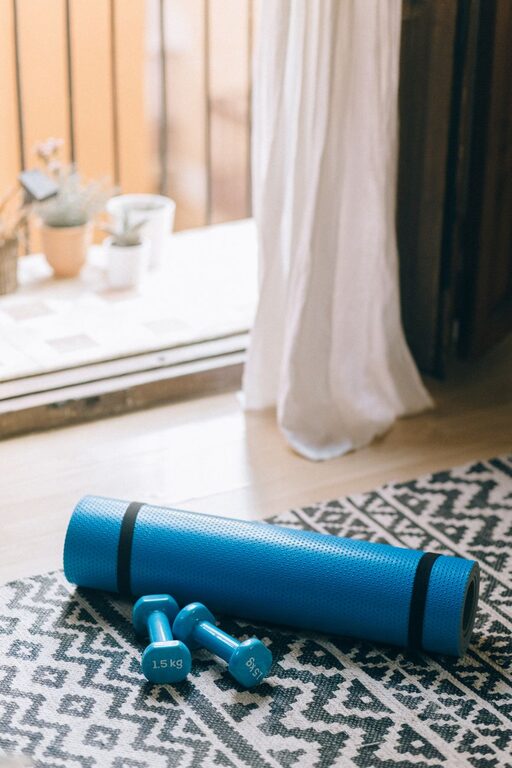
Creating a workout corner at home does not require a large room, expensive machines, or a major renovation. With a few thoughtful choices, you can turn part of a bedroom, living room, garage, or home office into a convenient place to move and exercise.
A dedicated workout area can also make routines easier to follow. When your mat and equipment are ready to use, there are fewer steps between deciding to exercise and getting started. The goal is to build a space that feels practical, comfortable, and easy to maintain.
Choose the Right Location
Start by looking for a spot that gives you enough room to move safely. You do not need an entire room. A clear area near a wall, beside a bed, or in a quiet corner may be enough for basic exercises.
Consider these factors when choosing the location:
– Floor space: Make sure you can lie down, stretch, and move your arms and legs without hitting furniture.
– Ceiling height: If you plan to raise your arms, use resistance bands, or perform standing exercises, check that the ceiling is high enough.
– Ventilation: A window, fan, or nearby air vent can help keep the space comfortable.
– Lighting: Bright, even lighting makes the area more inviting and helps you see your surroundings.
– Noise: If you live with others or in an apartment, choose equipment and exercises that will not create unnecessary noise.
– Accessibility: A space that is easy to reach is more likely to become part of your regular routine.
Before buying anything, mark the area with painter’s tape or place a mat on the floor. Try a few basic movements to see whether the space feels large enough.
Start With the Essentials
A simple workout corner can begin with just a few versatile items. Choose equipment that supports different types of movement instead of filling the area with items you may rarely use.
Exercise Mat
An exercise mat creates a clean, comfortable surface for floor exercises, stretching, and bodyweight movements. Look for a mat that stays flat and has enough cushioning for your preferred activities.
If you are placing it on a hard floor, choose a material with good grip. For carpeted areas, a thinner mat may be sufficient. Store it rolled or flat according to the manufacturer’s instructions.
Resistance Bands
Resistance bands take up very little space and can be used for a wide range of exercises. They are available in different levels of resistance, so a small set can provide variety without adding much clutter.
Check the bands regularly for cracks, thinning, or other signs of wear. Replace damaged bands rather than trying to repair them.
Light Hand Weights
A pair of light hand weights can add resistance to simple movements. If you are new to strength exercises, start with a manageable weight that allows you to control each movement.
Adjustable weights can save space, but fixed weights may be simpler to use. Choose the option that fits your budget, storage space, and workout preferences.
Optional Additions
Once you have used your basic setup consistently, you may want to add one or two more items, such as:
– A jump rope, if your floor and ceiling height allow it
– A small step platform
– A stability ball
– A foam roller
– A compact bench
– A tablet stand for workout videos
Add equipment gradually. A smaller collection that you use regularly is more useful than a crowded corner full of items you avoid.
Protect the Floor and Surrounding Area
Your workout corner should protect both you and your home. Place a mat under your main exercise area, especially if you have hardwood, tile, or another hard surface.
For weights or equipment that may touch the floor, consider using protective flooring tiles. These can help reduce scratches and make the area easier to clean. Avoid dropping weights, even if the equipment is designed for home use.
Keep a clear boundary around the workout space. Move lamps, small tables, decorations, and other objects away from the area before exercising. If the corner is in a shared room, use a basket or storage box to keep equipment contained when it is not in use.
Plan Simple Storage
Good storage helps the space stay organized and makes setup quicker. Use vertical space whenever possible, but make sure shelves and hooks are securely installed.
Practical storage options include:
– A wall-mounted rack for resistance bands
– A basket for small accessories
– A narrow shelf for towels and water bottles
– A stand for hand weights
– Hooks for jump ropes or exercise straps
– A storage box that fits under a desk or bench
If you rent your home or do not want to drill into the wall, choose a freestanding rack, rolling cart, or lidded container. Labeling a box can also make it easier to find smaller items.
Keep frequently used equipment within easy reach. Less-used items can go on a higher shelf or in a nearby closet.
Make the Corner Comfortable
A workout area should feel inviting rather than crowded. Small details can improve the experience without adding much cost.
You might include:
– A water bottle or nearby water station
– A small towel
– A clock or timer
– A speaker or headphones
– A fan
– A mirror for checking general movement and position
– A plant or simple decoration
Avoid placing fragile objects close to the workout area. If you use a mirror, position it securely and leave enough space around it. A mirror is optional, so do not let it take priority over safe floor space.
Create a Simple Workout Plan
Your equipment will be more useful when it supports a clear plan. Keep the routine simple at first. A basic session might include a warm-up, several movement patterns, and a cool-down.
For example, your workout could include:
- Five minutes of gentle movement to warm up
- Bodyweight exercises such as squats, wall pushups, or step-ups
- Resistance band exercises
- Light stretching
- A few minutes to put equipment away
Choose movements that match your experience and available space. If you follow online classes, preview them before starting to make sure they do not require more room or equipment than you have.
Scheduling workouts at a regular time can also help. Some people prefer exercising in the morning, while others find it easier after work. Select a time that fits your daily routine and allows you to use the space without interruptions.
Keep Safety in Mind
Before each session, check that the floor is dry and the mat is lying flat. Make sure bands, handles, weights, and other equipment are in good condition.
Use controlled movements and leave enough room to step in every direction. Avoid placing equipment where it could become a tripping hazard. If you feel tired or uncomfortable, pause and adjust the activity rather than rushing through it.
For shared homes, let others know when you are using the space. This can reduce interruptions and help prevent someone from walking into the area while equipment is in use.
Maintain the Space
A few minutes of maintenance each week can keep your workout corner clean and functional. Wipe down equipment according to the care instructions, wash the mat when appropriate, and check storage areas for clutter.
Every few months, review what you actually use. Remove broken items and consider donating equipment that no longer fits your routine. If your needs change, update the corner one item at a time instead of making several impulse purchases.
The best home workout corner is not the largest or most advanced one. It is a space that gives you room to move, keeps essential equipment close by, and makes regular activity feel straightforward. Start small, keep the layout simple, and improve it as you learn what works for you.